Reading Time 5
Number of Words 936
Types of Keywords in SEO (2025 Guide)
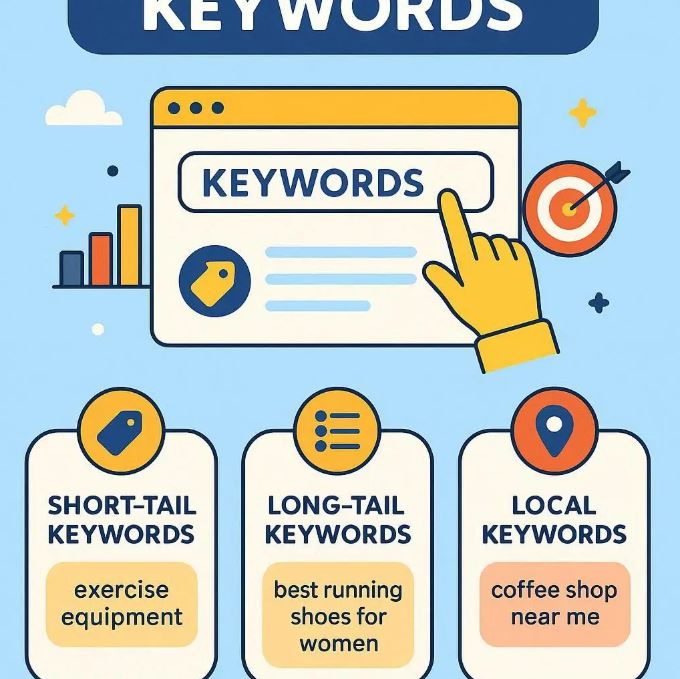
Keywords are the backbone of SEO. They connect what people are searching for with your content. But not all keywords are equal.
Knowing the types, intent, and how to use them will help you target the right audience, improve conversions, and avoid wasted effort.
We recommend using Lookkle's keyword research tool to find different types of keywords or the organic keyword tool to find keywords that are working on other websites and that you can use on your website.
Here are the main types of keywords, how to spot them, and examples.
1. Short-Tail Keywords (Head Keywords)
-
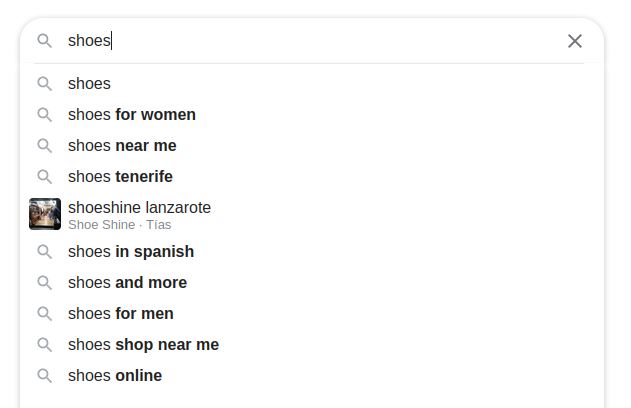
What they are: Very broad, usually 1-3 words. Huge search volume, high competition.
-
When to use: Brand awareness, main landing pages, seed ideas for content.
-
Pros & Cons: You get lots of potential traffic but often low conversion because the searcher’s intent is unclear.
Examples:
-
“shoes”
-
“digital marketing”
-
“laptop”
2. Long-Tail Keywords
-
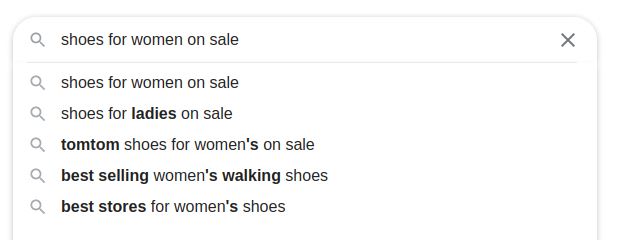
What they are: Longer phrases (3+ words), more specific. Lower search volume, less competition.
-
When to use: For blog posts, specific product or service pages, targeting niche audiences. Better conversion because the user often knows what they want.
Examples:
-
“best running shoes for flat feet”
-
“cheap vegan restaurants in downtown Chicago”
-
“how to optimize images for SEO in WordPress”
3. Keywords by User Intent
These show what the user is trying to do. You’ll see different content ranking depending on intent.
a) Informational Keywords
Used when people want to learn how to do something or understand something. Great for blog posts, guides.
Examples:
-
“how to start a blog in 2025”
-
“what is conversion rate optimization”
b) Navigational Keywords
When someone searches for a specific site or page.
Examples:
-
“YouTube login”
-
“Lookkle SEO tools”
c) Commercial (or Research) Keywords
Used when someone is comparing options, reading reviews, figuring out what to buy but not buying yet.
Examples:
-
“best DSLR cameras 2025”
-
“compare wireless earbuds under $100”
d) Transactional Keywords
Strong buying intent. The user wants to do something (buy, subscribe, order).
Examples:
-
“buy iPhone 13 online”
-
“subscribe to newsletter”
-
“order pizza delivery”
e) Local Keywords
Include location terms. Especially important for businesses that serve a physical area.
Examples:
-
“coffee shop near me”
-
“plumbers in Miami FL”
-
“digital marketing agency London”
4. Branded vs Non-Branded Keywords
-
Branded: Include the brand or company name (yours or others). These tend to have more trust, often used by people who already know the brand.
Example: “Nike running shoes”, “Lookkle SEO review”. -
Non-branded: General terms without brand mention. Helps attract people who don’t know your brand yet.
Example: “running shoes for beginners”, “best SEO tool”.
5. Exact Match / Phrase Match / Broad Match (especially in PPC / SEO strategy)
-
Exact Match: The keyword phrase matches exactly what people type. Very precise but limits reach.
Example: “buy iPhone 15 Pro Max” -
Phrase Match: Allows variations around a phrase; the core phrase appears in the user’s search. Good balance of reach and relevance.
Example: “best SEO strategies for beginners” -
Broad Match: Includes variations, synonyms, misspellings, etc. Wide reach, but can bring less relevant traffic. Use carefully.
Example: For keyword “luxury hotels”, broad match might also catch “5-star hotels”, “boutique luxury resorts”, etc.
6. LSI (Latent Semantic Indexing) & Related Keywords
These are semantically related terms—words and phrases that help search engines understand context of your content. They aren’t necessarily synonyms; they help the page feel more naturally comprehensive and relevant.
Examples: For the main keyword “digital marketing”, related/LSI keywords might be “SEO tools”, “content strategy”, “online advertising”, “social media marketing”.
7. Seed / Primary / Secondary Keywords
-
Seed Keywords: Basic words or phrases you start with when doing keyword research. These are used to generate more specific ideas.
Example: “travel”, “fitness”, “photography”. -
Primary Keywords: The main keyword you want a page to rank for. It should clearly reflect the topic.
Example: If you have a page reviewing headphones, your primary keyword might be “best wireless headphones 2025”. -
Secondary Keywords: Supporting keywords; they help capture additional traffic and cover related topics. They often show up naturally in your content.
Example: On the same headphones reviews page, secondary keywords might be “noise cancelling headphones”, “battery life”, “Bluetooth range”.
8. Seasonal / Evergreen Keywords
-
Seasonal Keywords: Keywords that spike at certain times of year (holidays, events, trends).
Examples: “Black Friday deals”, “Halloween costumes”, “summer fashion trends”. -
Evergreen Keywords: Terms that stay relevant year after year. Useful for content that continues to attract traffic long-term.
Examples: “how to tie a tie”, “healthy smoothie recipes”, “basic SEO tips”.
How to Use These Types in a Strategy
-
Start with intent: Think about what stage your audience is at (learning, researching, buying) and choose keywords accordingly.
-
Mix short-tail and long-tail: Use head terms for broad reach; long tail for conversions.
-
Use seed keywords to generate ideas: From one or two broad topics, expand into many long tail and related terms.
-
Check branded vs non-branded: If your brand is known, make sure you own your brand keywords. If not, focus more on non-branded to grow awareness.
-
Leverage LSI and secondary keywords to create rich content that covers related subtopics—these often help Google understand your page better.
-
Plan for seasonality when relevant, and create evergreen content so you have steady traffic throughout the year.
Example Keyword Plan (for a Sample Website)
Let’s say you run a blog about home fitness products.
| Type | Sample Keywords |
|---|---|
| Short-Tail | “home gym”, “workout equipment” |
| Long-Tail | “best budget home gym equipment for small spaces”, “adjustable dumbbells set review” |
| Informational | “how to start working out at home”, “benefits of resistance bands” |
| Commercial | “best treadmills 2025”, “compare exercise bikes under $1000” |
| Transactional | “buy yoga mat online”, “order adjustable weights UK” |
| Local | “fitness store near me”, “gym equipment shop London” |
| Branded | “Bowflex home gym”, “Peloton bike review” |
| Seasonal | “winter workout tips”, “summer body workout plan” |
| Evergreen | “how to build muscle at home”, “home workout routines for beginners” |
Key Mistakes to Avoid
-
Targeting only broad / short-tail keywords → lots of competition, low conversions.
-
Ignoring intent → if your content doesn’t match what people expect when they search, bounce rates go up.
-
Keyword stuffing → using keywords too much looks spammy to both users & Google.
-
Forgetting local or branded keywords if they’re relevant.
-
Not tracking performance — you won’t know what’s working or where to improve.