Reading Time 4
Number of Words 835
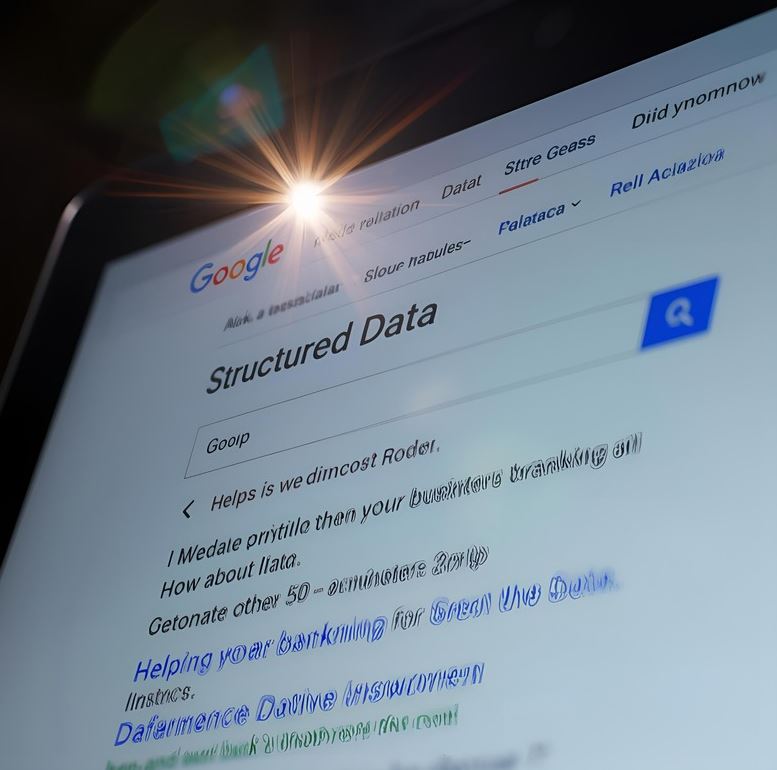
Structured data is a powerful tool that enhances how Google understands and displays your website's content.
By providing explicit information about your pages, you can improve visibility and attract more clicks.
What Is Structured Data?
Structured data is a standardized format for providing information about a page and classifying its content.
This markup helps search engines like Google interpret the meaning of your content more accuratel
. While structured data itself doesn't directly affect rankings, it enables rich results—enhanced listings in search results that can increase click-through rates.
Preferred Structured Data Formats
Google supports three main formats for structured data:
-
JSON-LD: A lightweight, script-based format that is easy to implement and preferred by Google.
-
Microdata: Embedded directly within HTML tags, making it more complex to manage.
-
RDFa: An extension of HTML5 that adds attributes to support rich metadata.
Among these, JSON-LD is the most recommended due to its simplicity and separation from the main content, reducing potential errors.
Types of Structured Data to Use
Implementing structured data can make your pages eligible for various rich results, such as:
-
Recipe: Displays cooking times, ingredients, and ratings.
-
Product: Shows price, availability, and reviews.
-
Event: Highlights dates, locations, and ticket information.
-
FAQ: Presents questions and answers directly in search results.
-
HowTo: Provides step-by-step guides with images or videos.
-
Review Snippets: Shows star ratings and reviewer details.
These rich results can enhance user engagement and improve your site's visibility in search results.
Best Practices for Implementing Structured Data
To effectively use structured data:
-
Choose the Right Type: Select the schema type that best matches your content.
-
Use JSON-LD: Implement structured data using JSON-LD for simplicity and compatibility.
-
Validate Your Markup: Use tools like Google's Rich Results Test to ensure your structured data is correctly implemented.
-
Avoid Hidden Content: Only mark up content visible to users to prevent potential penalties.
-
Stay Updated: Regularly check for updates to structured data guidelines and best practices.
Monitoring and Testing
After implementing structured data, it's crucial to monitor its performance:
-
Google Search Console: Use the Search Console to track errors and validate your structured data.
-
Rich Results Test: Test individual pages to see how they might appear in search results.
-
Performance Analysis: Compare click-through rates and user engagement before and after implementing structured data.
Practical Examples of Structured Data
Here are practical examples of structured data in JSON-LD format, which is the most recommended by Google:
1. Product
<script type="application/ld+json"> { "@context": "https://schema.org/", "@type": "Product", "name": "Smartphone XYZ", "image": "https://example.com/images/xyz.jpg", "description": "High-end smartphone with 128GB storage and 5G support.", "sku": "XYZ123", "brand": { "@type": "Brand", "name": "TechBrand" }, "offers": { "@type": "Offer", "priceCurrency": "USD", "price": "699.99", "availability": "https://schema.org/InStock" }, "aggregateRating": { "@type": "AggregateRating", "ratingValue": "4.5", "reviewCount": "25" } } </script>
2. Recipe
<script type="application/ld+json"> { "@context": "https://schema.org/", "@type": "Recipe", "name": "Chocolate Chip Cookies", "author": {"@type": "Person", "name": "Jane Doe"}, "image": "https://example.com/images/cookies.jpg", "description": "Delicious homemade chocolate chip cookies.", "recipeYield": "24 cookies", "prepTime": "PT20M", "cookTime": "PT15M", "recipeIngredient": [ "2 cups flour", "1 cup sugar", "1 cup chocolate chips", "1 tsp baking soda", "1/2 tsp salt", "1 cup butter", "2 eggs" ], "recipeInstructions": [ "Preheat oven to 350°F (175°C).", "Mix all ingredients in a bowl.", "Scoop onto baking sheet and bake 15 minutes." ] } </script>
3. Event
<script type="application/ld+json"> { "@context": "https://schema.org", "@type": "Event", "name": "Summer Music Festival 2025", "startDate": "2025-08-15T18:00", "endDate": "2025-08-17T23:00", "location": { "@type": "Place", "name": "Central Park", "address": { "@type": "PostalAddress", "streetAddress": "123 Park Ave", "addressLocality": "New York", "postalCode": "10001", "addressRegion": "NY", "addressCountry": "US" } }, "image": "https://example.com/images/festival.jpg", "description": "Annual summer music festival featuring top artists." } </script>
4. FAQ
<script type="application/ld+json"> { "@context": "https://schema.org", "@type": "FAQPage", "mainEntity": [ { "@type": "Question", "name": "What is the return policy?", "acceptedAnswer": {"@type": "Answer", "text": "You can return products within 30 days."} }, { "@type": "Question", "name": "Do you offer international shipping?", "acceptedAnswer": {"@type": "Answer", "text": "Yes, we ship worldwide with additional fees."} } ] } </script>
5. HowTo
<script type="application/ld+json"> { "@context": "https://schema.org", "@type": "HowTo", "name": "Planting a Vegetable Garden", "step": [ {"@type": "HowToStep", "text": "Choose a sunny location."}, {"@type": "HowToStep", "text": "Prepare the soil by removing weeds."}, {"@type": "HowToStep", "text": "Plant seeds according to instructions."}, {"@type": "HowToStep", "text": "Water regularly and monitor growth."} ] } </script>
6. Review
<script type="application/ld+json"> { "@context": "https://schema.org", "@type": "Review", "itemReviewed": {"@type": "Product", "name": "Wireless Headphones"}, "author": {"@type": "Person", "name": "John Smith"}, "reviewRating": {"@type": "Rating", "ratingValue": "5", "bestRating": "5"}, "reviewBody": "Excellent sound quality and battery life." } </script>
7. Article
<script type="application/ld+json"> { "@context": "https://schema.org", "@type": "Article", "headline": "10 Tips for Better SEO", "author": {"@type": "Person", "name": "Alice Johnson"}, "datePublished": "2025-09-30", "image": "https://example.com/images/seo-tips.jpg", "publisher": { "@type": "Organization", "name": "SEO Insights", "logo": {"@type": "ImageObject", "url": "https://example.com/logo.png"} }, "description": "Practical tips to improve your website's SEO performance." } </script>
8. LocalBusiness
<script type="application/ld+json"> { "@context": "https://schema.org", "@type": "LocalBusiness", "name": "Coffee House", "image": "https://example.com/images/coffee.jpg", "address": { "@type": "PostalAddress", "streetAddress": "456 Main St", "addressLocality": "Los Angeles", "postalCode": "90001", "addressRegion": "CA", "addressCountry": "US" }, "telephone": "+1-555-123-4567", "openingHours": "Mo-Sa 08:00-18:00", "url": "https://example.com/coffee-house" } </script>
9. VideoObject
<script type="application/ld+json"> { "@context": "https://schema.org", "@type": "VideoObject", "name": "How to Bake Bread", "description": "Step-by-step tutorial to bake bread at home.", "thumbnailUrl": "https://example.com/images/bread.jpg", "uploadDate": "2025-09-01", "duration": "PT10M", "contentUrl": "https://example.com/videos/bread.mp4" } </script>
10. Book
<script type="application/ld+json"> { "@context": "https://schema.org", "@type": "Book", "name": "Learn JavaScript in 30 Days", "author": {"@type": "Person", "name": "Mark Lee"}, "publisher": {"@type": "Organization", "name": "Tech Books Publishing"}, "datePublished": "2025-07-15", "isbn": "978-3-16-148410-0" } </script>