
What are long-tail keywords?
Long-tail keywords are specific highly targeted search phrases that consist of three or more words.
Unlike broad or generic keywords long-tail keywords are more precise and reflect users' intent to search for specific information or products.
12 Benefits of Long-Tail Keywords for Your SEO
1. Lower Competition Benefit
Long-tail keywords offer a significant advantage due to their low competition. Unlike short, generic keywords, long-tail queries consist of 4-5 words or more.
70% of all online searches fall into this category. With fewer brands vying for these specific phrases, you have ample opportunity to rank higher in search engine results.
2. Better Conversion Rates
When users search for long-tail queries, they often have a clear intent. These specific keywords indicate that they know what they want. Consequently, websites optimized for long-tail keywords tend to enjoy higher conversion rates.
3. Keyword Advantages for New Websites
For new websites, breaking into the competitive landscape can be daunting. By targeting these less competitive phrases, you can gain traction faster. As you build authority and visibility, your website becomes a trusted resource for users seeking specific information.
4. Long Tail SEO Keywords Can Rank Quicker
Long-tail keywords often rank faster than their broader counterparts. Why? Because they face less competition. As you optimize your content around these specific terms, search engines take notice, your pages climb the ranks, attracting targeted visitors.
5. Topic Clustering Is Easier
By interlinking related articles, you signal to search engines that your website is an authoritative hub for a particular subject. This approach enhances your overall SEO strategy and boosts your chances of ranking well.
6. Higher Click-Through Rates (CTR)
Users who search for long-tail keywords are often in the decision-making phase. Your content optimized for these queries tends to enjoy higher click-through rates. When your meta descriptions and titles align closely with user intent, you’ll see more users clicking through to your site.
7. Enhanced User Experience
Long-tail keywords allow you to create hyper-targeted content. As you address specific pain points or answer niche questions, your website becomes a valuable resource. Users appreciate relevant, detailed information. By delivering precisely what they seek, you enhance their experience, leading to longer sessions and repeat visits.
8. Better Voice Search Optimization
With the rise of voice assistants, optimizing for voice search is crucial. Long-tail keywords mirror natural language patterns. When users ask voice assistants questions, they often use complete sentences or phrases. By incorporating long-tail keywords, you improve your chances of appearing in voice search results.
9. Cost-Effective PPC Campaigns
In pay-per-click (PPC) advertising, long-tail keywords come with lower bid prices. They attract highly targeted traffic, resulting in better ROI.
10. Niche Audience Targeting
Long-tail keywords allow you to hone in on specific audiences. Whether you’re catering to a local market or a specialized industry, these targeted phrases help you connect with the right people.
11. Long-Term Sustainability
By building your content strategy around long-tail keywords, you ensure a steady flow of organic traffic. Their relevance remains consistent over time.
12. Competitive advantage in market niches
You can dominate specific niches by creating content around specific needs, solving user needs for those long-tail words.
Examples of long-tail keywords
-
Head Keyword: Adidas
- Long-Tail Keywords:
- Adidas running shoes for women
- Adidas Yeezy sneakers limited edition
- Adidas track pants for men sale
- Long-Tail Keywords:
-
Head Keyword: SEO
- Long-Tail Keywords:
- SEO strategies for small businesses
- SEO tips for beginners
- Advanced SEO techniques
- Long-Tail Keywords:
-
Head Keyword: Dog Food
- Long-Tail Keywords:
- Organic grain-free dog food
- Best dog food for senior small breeds
- Dog food for weight management
- Long-Tail Keywords:
-
Head Keyword: Laptops
- Long-Tail Keywords:
- Ultralight laptops for business travel
- Best gaming laptops under $1500
- Laptops with long battery life for students
- Long-Tail Keywords:
Why focus on long-tail keywords?
- Less competition: Long-tail keywords have lower search volume which means less competition from other websites. This makes it easier to rank higher in search engine results.
- Higher conversion rates: Users who search for specific long-tail phrases often come closer to making a purchase decision. Targeting these keywords can lead to better conversion rates.
- Niche Audience Targeting: Long-tail keywords allow you to reach a more specific audience interested in your niche or industry.
How to find long-tail keywords for your website
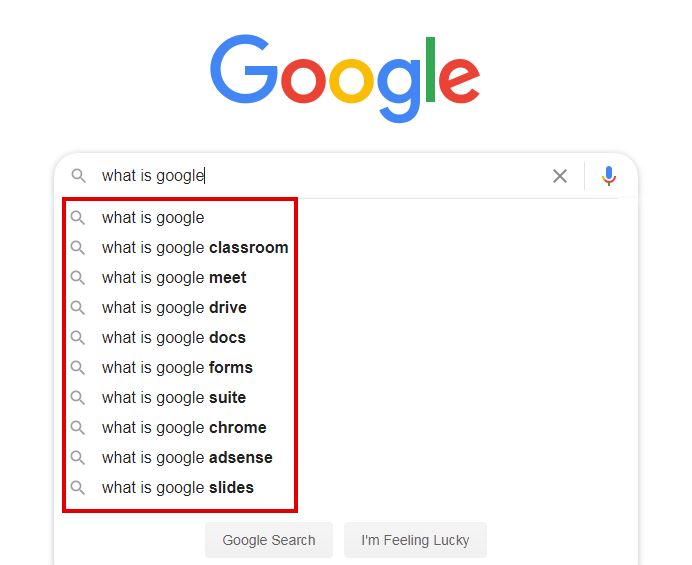
- Google Autocomplete: Start by typing a broad keyword related to your content into Google's search bar and pay attention to the suggested long-tail phrases.
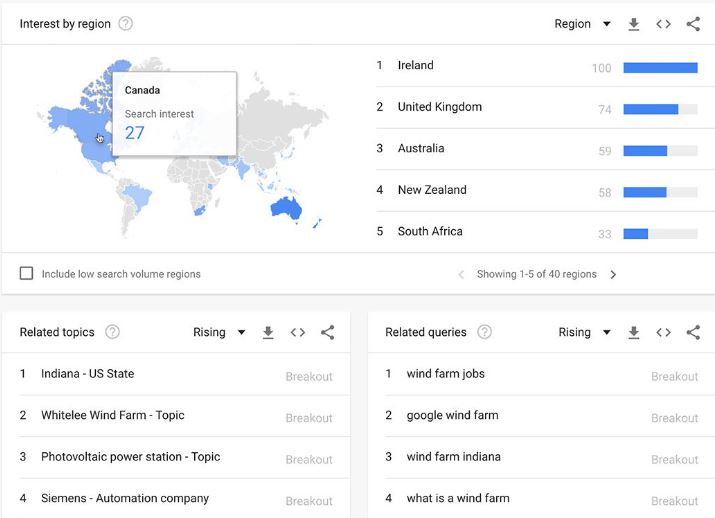
- Google Trends: Discover trending topics and related searches to identify relevant long-tail keywords.
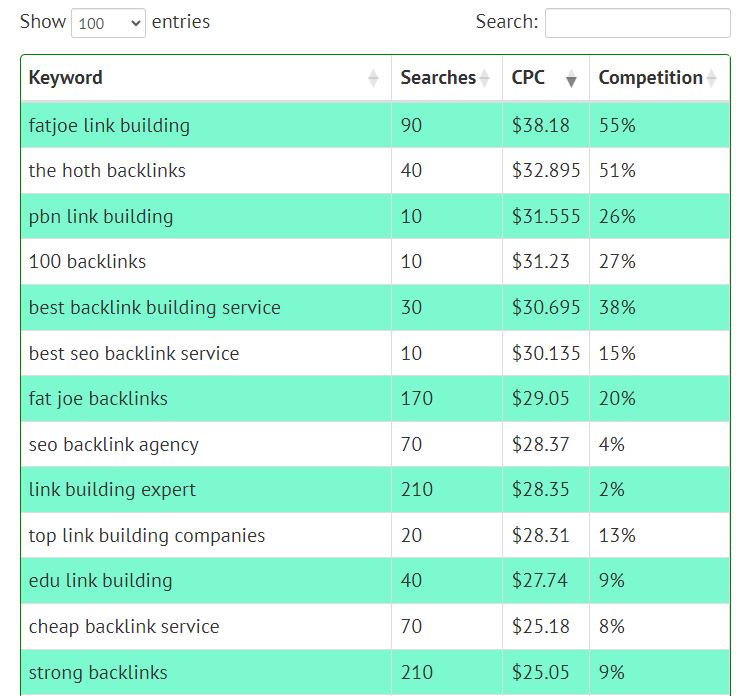
- Keyword Research Tools: Use tools like lookkle to discover variations of long-tail keywords.
How to start using long-tail keywords
- Content Optimization:
Incorporate long-tail keywords naturally into your website content blog posts and product descriptions. - Meta Tags:
Optimize meta titles and descriptions with relevant long-tail phrases. - Create specific landing pages:
Develop landing pages that target specific long-tail queries.
Long-Tail keywords vs. Short-Tail keywords
- Long-Tail: Specific low search volume high conversion potential.
- Short-Tail: Broad high search volume competitive.
The downside of long-tail keywords
- Limited Traffic: Due to lower search volume.
- Time-intensive research: Finding relevant long-tail phrases requires effort.