Reading Time 5
Number of Words 966
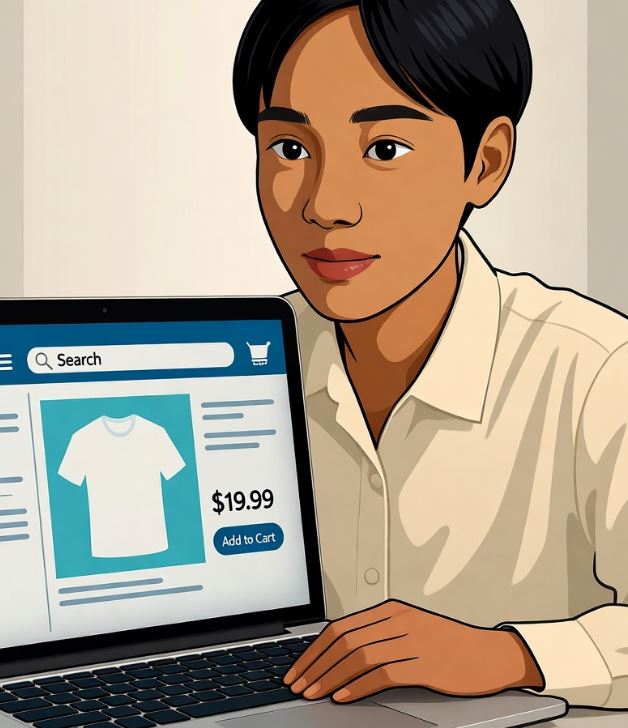
Creating detailed buyer personas is one of the highest-impact steps in any online marketing strategy. A great persona turns vague assumptions (“people who like X”) into a living portrait of your ideal customer — someone you can write to, design for, and sell to.
Below you’ll find a step-by-step process, templates, examples, and ways to apply personas effectively in your campaigns and content strategy.
1. What Is a Buyer Persona?
A buyer persona is a semi-fictional profile that represents your ideal customer, based on real data, analytics, and insights. It combines demographics, motivations, pain points, digital habits, and decision patterns.
A persona isn’t a vague stereotype — it’s a tool you use to make every marketing decision data-driven and human-centered.
2. Buyer Persona Template: Key Components
Use this checklist when building each persona:
-
Name / Label: Easy to reference (e.g., “Freelance Marta” or “Side-Hustle Alex”)
-
Snapshot: One sentence that summarizes who they are and what they want.
-
Demographics: Age, gender, location, education, income, marital status.
-
Role / Profession: Industry, job title, seniority, daily responsibilities.
-
Technology & Channels: Devices used, social media platforms, online habits.
-
Goals: What do they want to achieve (professionally or personally)?
-
Pain Points: What problems or frustrations keep them from success?
-
Motivations / Triggers: What drives them to seek solutions — saving time, security, prestige, income, convenience?
-
Objections: What would stop them from buying (price, trust, complexity)?
-
Message & Tone: Which benefits and language will resonate with them?
-
Acquisition Channels: Where can you reach them (Google, YouTube, LinkedIn, Reddit)?
-
Decision Criteria: What factors do they consider before committing?
-
Customer Journey Snapshot: Awareness → Consideration → Decision → Retention.
-
KPI Indicators: Which metrics signal this persona (e.g., time on page, content downloads, keyword intent)?
-
Representative Quote: “I need X because Y.”
-
Data Source: Surveys, analytics, interviews, feedback.
3. How to Collect Real Persona Data
-
Analytics (GA4, Lookkle Analytics, Search Console): Segment users by pages visited, queries, country, and device.
-
On-site surveys & polls: Quick popups or feedback forms (3–6 questions).
-
Customer interviews: 20–30 minute sessions with clients or engaged users.
-
Sales / Support feedback: Identify recurring questions and objections.
-
Social listening: Monitor forums, Reddit, Facebook Groups, and LinkedIn posts.
-
Competitor reviews: Read reviews of rival products for insights on expectations and pain points.
-
Behavior tools: Use Hotjar or Microsoft Clarity to see navigation patterns.
-
Lookkle tools:
-
Lookkle Web Traffic Checker → Identify which topics attract the most visitors. Segment by demographics and engagement type (Time on page, scroll depth, and bounce rate).
-
Lookkle Keyword Explorer → Reveal what your audience actually searches for.
-
4. Smart Questions for Interviews and Surveys
-
What’s your job role and main responsibility?
-
What’s your biggest challenge right now?
-
How have you tried to solve it before? What didn’t work?
-
What makes you consider paying for a solution?
-
Where do you look for trustworthy information or reviews?
-
What would make you hesitate to buy?
-
What content formats do you prefer (videos, blogs, newsletters)?
-
What’s your typical monthly or yearly budget for this type of solution?
Keep surveys short (under 5 minutes) and use open-ended questions for insights that reveal motivations, not just data points.
5. Example Personas for an Online Marketing Blog
Persona A — Marta, the Freelance Marketer
-
32 years old, freelancer in Madrid, earns €35K/year.
-
Goals: Find stable clients, improve pricing, grow authority.
-
Pain Points: Irregular leads, time management, pricing confusion.
-
Channels: LinkedIn, Instagram, podcasts.
-
Motivation: Achieve independence and recognition.
-
Message: “Templates and step-by-step systems to get better clients.”
-
CTA Example: “Download your 7-step client onboarding template.”
Persona B — Alex, the Side-Hustle Developer
-
27 years old, full-time developer, wants passive income.
-
Goals: Build a SaaS or affiliate project on the side.
-
Pain Points: Time shortage, niche uncertainty, technical complexity.
-
Channels: Reddit, Hacker News, YouTube.
-
Motivation: Financial freedom and creative autonomy.
-
Message: “Automation scripts and validation guides for your next project.”
-
CTA: “Get the SaaS validation checklist (free).”
Persona C — Sofia, the Small Business Owner
-
45 years old, owns a local store, limited tech skills.
-
Goals: Attract more local customers affordably.
-
Pain Points: Overwhelmed by digital marketing choices, distrust of agencies.
-
Channels: Facebook, Google searches, local events.
-
Motivation: Stability and simplicity.
-
Message: “No-fluff marketing tactics that bring real customers.”
-
CTA: “Book a free 30-min marketing audit.”
6. Map the Customer Journey for Each Persona
| Stage | Goal | Content Type | Metrics |
|---|---|---|---|
| Awareness | Capture attention | Blog posts, listicles, how-to guides | Organic traffic, new users |
| Consideration | Build trust | Webinars, comparisons, case studies | Email signups, lead magnet downloads |
| Decision | Convert | Product demos, pricing pages, free trials | Purchases, trials, signups |
| Retention | Keep engaged | Tutorials, newsletters, exclusive updates | Retention rate, lifetime value |
Plan at least one content piece per persona per stage to move them through the funnel naturally.
7. How to Apply Buyer Personas Effectively
-
Content Planning: Align topics with the jobs-to-be-done of each persona.
-
Keyword Research: Map keywords to personas (e.g., “how to price freelance work” → Marta).
-
Copywriting: Adapt tone, vocabulary, and benefits to each persona’s motivation.
-
Paid Campaigns: Segment audiences by persona and test ad creatives.
-
Product Development: Build or prioritize features that solve their main frustrations.
-
Email Marketing: Tag leads by persona and send personalized sequences.
-
Sales Scripts: Train your team to address objections specific to each persona.
8. Validate and Measure Persona Effectiveness
-
Conversion rate: Are persona-focused pages converting better?
-
Engagement: Time on page, scroll depth, and bounce rate.
-
Email metrics: Open and click-through rates by segment.
-
User feedback: Ask post-purchase or post-lead feedback to confirm assumptions.
-
Cohort retention: Compare retention or lifetime value across personas.
If results are weak, re-examine whether your targeting, message, or offer truly aligns with the persona’s pain points.
9. Helpful Frameworks & Templates
-
Empathy Map: “Says / Thinks / Does / Feels” — visualize their mindset.
-
Jobs-to-be-Done Framework: “When X happens, I want to do Y, so I can achieve Z.”
-
Value Proposition Canvas: Match customer pains and gains with your solution.
-
One-Page Persona Sheet: Print or share for team-wide alignment.
10. Update and Maintain Personas
-
Review and refresh personas every 6–12 months or after major product launches.
-
Store them in a central hub (Notion, Google Docs, or CRM).
-
Share personas during campaign kickoffs and quarterly reviews.
-
Use Lookkle Analytics dashboards to track conversion trends per persona segment.
11. One-Day Persona Creation Checklist
-
Export top-performing pages and keywords (GA4 + Lookkle Analytics).
-
Add a short on-site survey (3–5 questions).
-
Interview three users or customers (20 minutes each).
-
Fill out the persona template (see section 2).
-
Write one blog post and one email targeted at that persona.
-
Track conversions and engagement for 30 days.
-
Refine based on data.