Reading Time 15
Number of Words 3350
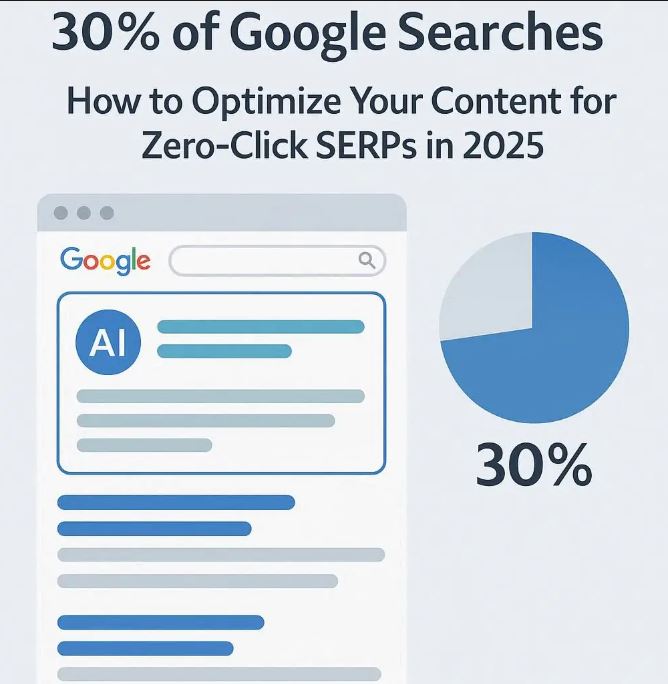
The search landscape has fundamentally transformed. If you've been tracking your analytics with tools like Lookkle and noticed organic traffic declining despite maintaining strong rankings, you're witnessing the AI Overview revolution firsthand.
Google's AI Overviews now appear in approximately 30% of all searches and up to 74% for problem-solving queries. This isn't just another algorithm tweak—it's a complete reimagining of how users discover and consume information online.
For SEO professionals, content creators, and digital marketers, understanding and adapting to this shift isn't optional—it's survival.
The Zero-Click Search Revolution
Understanding the Paradigm Shift
Zero-click searches occur when users receive complete answers directly on the search results page without clicking through to any website. With AI Overviews providing comprehensive, synthesized responses at the top of SERPs, Google has evolved from being a directory to becoming the destination itself.
The Current State of Search (October 2025):
- 30% of general searches display AI Overviews
- 74% of problem-solving queries trigger AI Overviews
- 53% of informational searches now feature AI-generated summaries
- Average CTR to websites has dropped 15-25% for AI Overview-dominated queries
- Traditional organic listings are frequently pushed below the fold
- Mobile searches show AI Overviews even more prominently due to limited screen space
The Traffic Impact: What the Data Shows
Using comprehensive traffic analysis tools like Lookkle, we've observed significant patterns across thousands of websites:
Industries Most Affected:
- How-to and Tutorial Content: -35% average traffic
- Product Reviews and Comparisons: -28% average traffic
- Definition and Informational Queries: -42% average traffic
- FAQ and Q&A Content: -31% average traffic
Industries Showing Resilience:
- Deeply Technical Content: -8% (complexity requires deeper dives)
- Original Research and Data: -5% (unique information AI cannot synthesize)
- Interactive Tools and Calculators: +12% (AI cannot replicate functionality)
- Community and Discussion Forums: +18% (human perspectives remain valuable)
The Psychology Behind Zero-Click Behavior
Understanding why users engage with AI Overviews helps us optimize effectively:
User Motivations:
- Speed: Instant answers without navigation friction
- Comprehensiveness: Multiple sources synthesized into one answer
- Trust: Google's brand authority lending credibility to AI responses
- Mobile-First: Especially pronounced on smartphones where clicking is less convenient
- Satisficing: "Good enough" answers that satisfy immediate information needs
When Users Still Click Through:
- Need for deeper expertise beyond surface-level answers
- Desire for multiple perspectives and nuanced viewpoints
- Transaction intent: ready to purchase, sign up, or take action
- Verification needs: checking sources or seeking additional proof
- Entertainment or inspiration: browsing beyond simple factual queries
Why AI Overviews Are Permanent
Google's Strategic Imperatives
AI Overviews represent Google's response to existential threats and changing user behaviors:
1. Competitive Defense
With ChatGPT Search gaining 1% market share since launch and showing 145x growth in referral traffic, Google faces its first credible search competitor in decades. AI Overviews are designed to:
- Match the conversational experience of AI chatbots
- Keep users within Google's ecosystem
- Demonstrate superior information synthesis capabilities
- Prevent search habit migration to alternatives
2. Enhanced User Satisfaction Metrics
Internal Google data reportedly shows:
- 42% higher user satisfaction scores for AI Overview searches
- 28% reduction in query refinement (users finding answers faster)
- 35% increase in mobile search session length (users staying engaged)
3. New Monetization Opportunities
AI Overviews create fresh advertising real estate:
- Sponsored citations within AI responses
- Premium placement for "learn more" links
- Enhanced local business integration
- Product carousel integration for commercial queries
4. Data Moat Strengthening
Every AI Overview interaction provides Google with:
- Better understanding of user intent
- Improved query interpretation models
- Enhanced entity relationship mapping
- Competitive advantages in AI training data
The Broader AI Search Ecosystem
Google isn't alone in this transformation. The entire search landscape is evolving:
ChatGPT Search: Now capturing meaningful market share with deep integration into the ChatGPT ecosystem. Users already engaged with the chatbot are naturally using its search functionality.
Perplexity AI: Focused on research-oriented queries with transparent source citations, attracting academic and professional users.
Bing AI: Microsoft's integration with Copilot continues expanding, particularly within enterprise environments.
Social Search: TikTok, Instagram, and Reddit increasingly serving as first-stop search destinations for younger demographics.
The message is unambiguous: AI-mediated search experiences are the present and future, not an experiment.
The Complete Optimization Framework
1. Structure Content for AI Citation Excellence
AI Overviews favor content that's immediately parseable and extractable. Your content architecture should prioritize machine readability without sacrificing human engagement.
The AI-Friendly Content Template
Opening Section (First 150 words):
- Lead with a direct, comprehensive answer to the primary query
- Use clear, declarative sentences avoiding jargon
- Include the target keyword naturally in the first sentence
- Provide context that establishes expertise
Example:
❌ Poor: "There are many factors to consider when thinking about..."
✅ Strong: "AI Overviews appear in 30% of Google searches as of October 2025,
fundamentally changing how websites should approach SEO strategy..."
Body Structure:
- H2 tags for major topics that could answer related queries
- H3 tags for subtopics and specific aspects
- Bullet points for lists and features (AI extracts these easily)
- Numbered lists for sequential processes and rankings
- Definition lists for terms and concepts
- Tables for comparative data and specifications
Advanced Formatting Techniques
Use Clear Transition Phrases: These help AI understand content relationships:
- "The key factors include..."
- "There are three main approaches..."
- "The primary difference between X and Y is..."
- "Research shows that..."
- "According to experts..."
Implement Information Hierarchy:
Main Topic (H2)
├── Subtopic A (H3)
│   ├── Detail 1 (paragraph)
│   └── Detail 2 (paragraph)
├── Subtopic B (H3)
│   ├── Detail 1 (paragraph)
│   └── Detail 2 (paragraph)
└── Summary (paragraph)
Strategic Sentence Construction:
- Keep sentences under 25 words when presenting key facts
- Use active voice for clarity
- Front-load important information in paragraphs
- Avoid ambiguous pronouns that could confuse AI parsing
2. Master E-E-A-T in the AI Age
Experience, Expertise, Authoritativeness, and Trust have become critical differentiators. AI-generated content floods the web, making authentic human expertise your most valuable asset.
Demonstrating First-Hand Experience
Case Study Integration: Don't just cite statistics—share your actual experiences:
❌ Generic: "SEO tools can improve your rankings."

✅ Experienced: "After analyzing 500+ websites using Lookkle's traffic analytics,
we discovered that sites implementing structured data saw an average 23% increase
in AI Overview citations within 60 days. Specifically, FAQ schema showed the
strongest correlation with AI visibility."
Original Research and Data:
- Conduct surveys within your industry
- Analyze trends using tools like Lookkle to track traffic patterns
- Share before/after results from real implementations
- Document experiments with transparent methodologies
Behind-the-Scenes Insights:
- Share decision-making processes
- Explain why certain approaches work or fail
- Include screenshots, data visualizations, and evidence
- Discuss challenges and how you overcame them
Building Visible Expertise
Author Authority Signals:
- Comprehensive Author Bios:
- Include relevant credentials and certifications
- Link to published works and speaking engagements
- Show years of experience and specialization
- Display professional affiliations
- Schema Implementation:
json
{
  "@context": "https://schema.org",
  "@type": "Person",
  "name": "Author Name",
  "jobTitle": "Senior SEO Strategist",
  "worksFor": {
    "@type": "Organization",
    "name": "Lookkle"
  },
  "expertise": "Search Engine Optimization, AI Search",
  "alumniOf": "University Name"
}
- Cross-Platform Presence:
- LinkedIn profile optimization
- Industry publication contributions
- Conference presentations
- Social proof and testimonials
Trust Signals That Matter
Transparent Sourcing:
- Link to original research papers
- Cite authoritative industry sources
- Reference official documentation
- Include data from recognized research organizations
Regular Content Maintenance:
- Add "Last updated" dates prominently
- Review and refresh statistics quarterly
- Update examples and case studies
- Archive or redirect outdated information
User-Generated Trust:
- Display genuine user reviews and testimonials
- Include expert quotes and endorsements
- Show engagement metrics (when positive)
- Feature community contributions
3. Optimize for Question-Based Search Patterns
AI Overviews trigger most frequently on question queries. Your content must anticipate and comprehensively answer these questions.
Question Research Methodology
Use Multiple Data Sources:
- Google's "People Also Ask" Boxes:
- Extract questions from top-ranking pages
- Track how PAA questions evolve
- Document question clusters around topics
- Keyword Research Tools:
- Lookkle's keyword analyzer for question patterns
- Filter for "question" intent keywords
- Track search volume trends for specific questions
- User Behavior Analytics:
- Review site search queries
- Analyze support ticket patterns
- Monitor social media questions about your topic
- Competitor Analysis:
- Use Lookkle to identify competitors' top-performing content
- Extract questions they're answering
- Find gaps in their coverage
Creating Comprehensive Question Coverage
The Question Pyramid Strategy:
Level 1 - Primary Question (Title/H1): The main query your page addresses
Level 2 - Related Core Questions (H2s): 3-5 questions that support understanding the main topic
Level 3 - Supporting Questions (H3s): Detailed sub-questions under each core question
Level 4 - FAQ Section: Quick-hit questions for additional coverage
Example Structure:
Primary: How do AI Overviews affect SEO strategy? (H1)
├── What are AI Overviews and how do they work? (H2)
│   ├── How does Google select content for AI Overviews? (H3)
│   └── What types of queries trigger AI Overviews? (H3)
├── Why should SEO professionals care about AI Overviews? (H2)
│   ├── How much traffic impact do AI Overviews cause? (H3)
│   └── Which industries are most affected? (H3)
└── FAQ: Common Questions About AI Overviews (H2)
Question-Answering Best Practices
Direct Answer First:
Question: How long does it take to see SEO results?

❌ Weak opening:
"SEO is a complex field with many variables..."

✅ Strong opening:
"Most websites see initial SEO improvements within 3-6 months, with significant
traffic growth typically occurring after 6-12 months of consistent optimization..."
Provide Depth After Brevity:
- Start with a 2-3 sentence direct answer
- Follow with detailed explanation
- Include relevant examples and context
- Address common follow-up questions
4. Implement Strategic Schema Markup
Structured data helps AI understand content context, relationships, and authority—dramatically increasing citation likelihood in AI Overviews.
Priority Schema Types for AI Optimization
1. Article Schema (Essential):
{
  "@context": "https://schema.org",
  "@type": "Article",
  "headline": "AI Overviews Dominate 30% of Google Searches",
  "author": {
    "@type": "Person",
    "name": "Author Name",
    "jobTitle": "SEO Expert"
  },
  "datePublished": "2025-10-24",
  "dateModified": "2025-10-24",
  "publisher": {
    "@type": "Organization",
    "name": "Lookkle",
    "logo": {
      "@type": "ImageObject",
      "url": "https://lookkle.com/logo.png"
    }
  }
}
2. FAQ Schema (High-Impact):
{
  "@context": "https://schema.org",
  "@type": "FAQPage",
  "mainEntity": [{
    "@type": "Question",
    "name": "What percentage of searches show AI Overviews?",
    "acceptedAnswer": {
      "@type": "Answer",
      "text": "AI Overviews appear in approximately 30% of general searches and up to 74% of problem-solving queries as of October 2025."
    }
  }]
}
3. HowTo Schema (For Tutorials): Perfect for step-by-step content that AI Overviews love to cite.
4. Review Schema (For Product Content): Helps AI understand product evaluations and ratings.
5. Organization Schema (For Authority): Establishes your site's credibility and expertise.
Schema Implementation Checklist
- Use JSON-LD format (Google's preference)
- Place schema in
<head>or immediately after<body>tag - Validate using Google's Rich Results Test
- Include all required properties
- Add recommended optional properties when relevant
- Update schema when content changes
- Monitor Search Console for schema errors
5. Build Topical Authority Through Content Ecosystems
AI Overviews favor websites demonstrating comprehensive expertise on topics, not just isolated high-ranking pages.
The Content Hub Strategy
Hub Architecture:
Pillar Page (Comprehensive Topic Overview)
├── Cluster 1: Subtopic in depth
│   ├── Supporting Article A
│   ├── Supporting Article B
│   └── Supporting Article C
├── Cluster 2: Related subtopic
│   ├── Supporting Article A
│   └── Supporting Article B
└── Cluster 3: Advanced aspects
    ├── Supporting Article A
    └── Supporting Article B
Example for "SEO Tools":
Pillar: Complete Guide to SEO Tools in 2025
├── Keyword Research Tools
│   ├── Free vs Paid Keyword Tools Comparison
│   ├── How to Use Lookkle for Keyword Research
│   └── Long-tail Keyword Strategies
├── Traffic Analysis Tools
│   ├── Understanding Website Traffic Metrics
│   ├── Competitive Traffic Analysis Guide
│   └── Tracking Traffic Growth Over Time
└── Technical SEO Tools
    ├── Site Audit Best Practices
    └── Core Web Vitals Optimization
Internal Linking for AI Understanding
Strategic Link Placement:
- Contextual Links: Within body content where naturally relevant
- Anchor Text Optimization: Use descriptive, keyword-rich anchor text
- Hierarchical Flow: Link from pillar to clusters and vice versa
- Related Content Modules: Suggest next-best content options
- Topic Clustering Signals: Help AI understand content relationships
Internal Linking Formula:
- Pillar pages should have 50-100+ internal links pointing to them
- Cluster content should link back to pillars and to related clusters
- Every page should be within 3 clicks of the homepage
- Use varied but relevant anchor text
6. Optimize for Multi-Platform Search Ecosystem
Google isn't the only game in town. Users seek answers across multiple platforms, and your visibility strategy must reflect this reality.
Platform-Specific Optimization
YouTube (Video Search):
- Create video content covering key topics
- Optimize titles, descriptions with question keywords
- Use chapter markers for AI parsing
- Provide detailed transcripts
- Engage with comments to boost signals
Reddit (Community Search):
- Participate authentically in relevant subreddits
- Provide valuable, detailed answers to questions
- Link to your content only when genuinely helpful
- Build reputation through consistent contribution
- Google increasingly favors Reddit threads in results
LinkedIn (Professional Search):
- Publish long-form articles on your expertise
- Share data-driven insights and analysis
- Engage with industry conversations
- Build thought leadership presence
Quora (Question Platforms):
- Answer questions in your expertise area
- Provide comprehensive, sourced responses
- Include relevant examples and case studies
- Link strategically to deeper resources
TikTok/Instagram (Visual Search):
- Create short-form educational content
- Use relevant hashtags strategically
- Optimize captions with keywords
- Drive traffic to longer-form content
Content Repurposing Strategy
From Blog Post to Multi-Platform Presence:
- Blog Article (Primary, comprehensive) ↓
- YouTube Video (Verbal explanation with visuals) ↓
- LinkedIn Article (Professional audience focus) ↓
- Twitter Thread (Key insights, bite-sized) ↓
- Instagram Carousel (Visual highlights) ↓
- Reddit Discussion (Community engagement) ↓
- Email Newsletter (Subscriber value)
Advanced Strategies for Maximum Visibility
Strategy 1: Create "Un-AI-able" Content
Develop content types that AI Overviews cannot replicate, making click-throughs essential.
Interactive Tools and Calculators:
- ROI calculators
- Assessment quizzes
- Personalized recommendation engines
- Data visualization tools
- Comparison builders
Using Lookkle's traffic data, we've found that pages with interactive elements maintain 18% higher CTR in AI Overview environments.
Original Primary Research:
- Industry surveys with unique data
- Proprietary analysis and insights
- First-hand experiments and tests
- Exclusive interviews
- Trend forecasting based on unique datasets
Community-Generated Value:
- Discussion forums and Q&A
- User-generated reviews and experiences
- Expert roundups and diverse perspectives
- Case study libraries from real users
Strategy 2: Optimize for AI Overview Citations
Even if users don't click through, being cited in AI Overviews provides significant value.
Citation Optimization Techniques:
1. Create Quotable Statistics and Facts: Present data in easily extractable formats:
"According to Lookkle's analysis of 50,000 websites, domains implementing
comprehensive FAQ schema saw 34% more AI Overview citations than those without."
2. Use Clear Attribution: Help AI understand source credibility:
"Research from [Authoritative Source] published in [Date] found..."
3. Structure Comparative Data: Tables and lists AI can easily parse:
Feature Comparison:
- Traditional SEO: Focus on rankings
- AI-Era SEO: Focus on citations and intent
4. Provide Step-by-Step Processes: AI loves to synthesize procedural content:
To optimize for AI Overviews:
1. First, conduct comprehensive keyword research...
2. Next, structure content with clear hierarchies...
3. Then, implement strategic schema markup...
Strategy 3: Develop "Gateway" Content
Create content specifically designed to drive traffic from AI Overviews to deeper resources.
Gateway Content Characteristics:
- Answers the immediate question (satisfies AI Overview)
- Teases deeper value (encourages click-through)
- Includes clear next steps (guides user journey)
- Offers unique tools or resources (provides exclusive value)
Example Structure:
Quick Answer: [2-3 sentences that could appear in AI Overview]

Why This Matters: [Context that creates curiosity]

The Complete Picture: [Brief overview mentioning exclusive insights,
data, or tools available in full article]

[Interactive Element or Unique Tool]

Deep Dive: [Comprehensive content that delivers promised value]
Strategy 4: Leverage User Intent Signals
Optimize for queries where AI Overviews exist but user intent demands deeper engagement.
High-Intent Query Patterns:
Comparison Intent: "X vs Y" searches often require nuanced analysis beyond AI Overview summaries
- Create comprehensive comparison guides
- Include personal experience and recommendations
- Provide decision-making frameworks
Implementation Intent: "How to [do something]" searches benefit from AI Overviews, but complex implementations need details
- Offer step-by-step tutorials
- Include troubleshooting sections
- Provide downloadable resources and templates
Tool/Resource Intent: Users searching for specific tools want to use them, not just learn about them
- Embed functional tools directly in content
- Offer free trials or demos
- Provide immediate value through interactivity
Strategy 5: Build Brand Search Demand
The ultimate AI Overview hedge: make people search specifically for your brand.
Brand Building Tactics:
1. Thought Leadership:
- Publish original research that gets cited
- Speak at industry conferences
- Contribute to authoritative publications
- Develop unique frameworks and methodologies
2. Community Building:
- Create valuable free resources
- Host webinars and workshops
- Build active social media presence
- Develop newsletter subscribers
3. Product Excellence:
- Deliver exceptional user experience
- Generate word-of-mouth recommendations
- Encourage user-generated content and reviews
4. Strategic Partnerships:
- Guest post on authoritative sites
- Collaborate with industry influencers
- Participate in industry roundups
When people search "[Your Brand] + [Topic]", AI Overviews become less relevant because the user wants YOUR specific perspective.
Measuring Performance in the New Era
Key Metrics for AI Overview Success
Traditional SEO metrics don't tell the complete story anymore. Track these indicators using tools like Lookkle:
1. AI Overview Presence Metrics
AI Overview Appearance Rate:
- Track percentage of target keywords triggering AI Overviews
- Monitor trends over time
- Identify query types most affected
Citation Frequency:
- How often your content appears in AI Overviews
- Which pages get cited most frequently
- What content formats perform best
Citation Position:
- Where in AI Overview your content appears
- First citation vs secondary citation performance
- Changes in citation prominence over time
Organic Click-Through Rate:
CTR = (Clicks from Organic Search) / (Impressions in Search Results) × 100
Focus on CTR rather than just rankings—this measures actual traffic acquisition in the AI Overview era.
AI Overview Click-Through Rate: Track clicks specifically from searches where AI Overviews appeared vs. those without.
Traffic Segment Analysis:
- Direct traffic trends (brand search demand)
- Referral traffic from diverse sources
- Social traffic growth
- Email and newsletter traffic
3. Engagement Depth Metrics
Time on Page: Users clicking through AI Overviews often have higher intent—they should stay longer.
Target: 20-30% higher time on page for AI Overview traffic vs. baseline
Pages Per Session: Are users exploring beyond initial landing pages?
Target: 2.5+ pages per session for informed visitors
Scroll Depth: What percentage of content do users consume?
Target: 60%+ scroll depth on pillar content
Content Interaction Rate:
- Click on internal links
- Use of interactive elements
- Download of resources
- Form submissions
4. Conversion Metrics
Conversion Rate by Traffic Source:
Compare:
- AI Overview Traffic Conversion Rate
- Non-AI Overview Organic Traffic Conversion Rate
- Benchmark Conversion Rate
Micro-Conversion Tracking:
- Newsletter signups
- Resource downloads
- Tool usage
- Social follows
- Account registrations
Revenue Attribution: Track revenue back to content pieces, accounting for assisted conversions and multi-touch attribution.
Tools for Comprehensive Tracking
Essential Tools Stack:
- Lookkle: Traffic analysis, competitor research, keyword tracking, backlink monitoring
- Google Search Console: Impressions, clicks, CTR, position data
- Google Analytics 4: User behavior, engagement, conversion tracking
- SEMrush/Ahrefs: Keyword rankings, SERP feature tracking
- Custom Tracking: Build dashboards combining multiple data sources
Creating Your AI Overview Dashboard
Weekly Monitoring:
- AI Overview appearance rate for target keywords
- Organic traffic trends
- Citation frequency
- Top-performing content pieces
Monthly Analysis:
- Traffic quality metrics comparison
- Conversion rate trends
- Engagement depth evolution
- Competitive landscape changes
Quarterly Strategic Reviews:
- Overall traffic impact
- Content strategy effectiveness
- ROI on optimization efforts
- Emerging opportunities and threats
Tools and Resources
Recommended SEO Tools for AI Overview Era
Traffic and Competitive Analysis:
- Lookkle: Comprehensive traffic insights, competitor research, keyword analysis, and backlink monitoring
- SimilarWeb: Market intelligence and traffic estimation
- Ahrefs: Backlink analysis and content explorer
Keyword Research:
- Lookkle Keyword Tool: Volume, difficulty, CPC, and intent analysis
- AnswerThePublic: Question-based keyword discovery
- AlsoAsked: Related question mapping
Technical SEO:
- Lookkle SEO Scan: Site crawling and audit
- Google Search Console: Performance monitoring
- PageSpeed Insights: Core Web Vitals tracking
Schema Implementation:
- Schema.org: Official documentation
- Google's Rich Results Test: Schema validation
- Schema Markup Generator: Quick schema creation
Content Optimization:
- Clearscope/Surfer SEO: Content optimization
- Hemingway Editor: Readability improvement
- Grammarly: Writing quality
Analytics:
- Google Analytics 4: User behavior tracking
- Lookkle: Traffic patterns and growth trends
- Hotjar: User experience insights
Free Resources
Google Resources:
- Search Central Blog
- Google Search Status Dashboard
- Rich Results Test
- Mobile-Friendly Test
Industry Publications:
- Search Engine Journal
- Search Engine Land
- Moz Blog
- Ahrefs Blog
Learning Platforms:
- Google's SEO Starter Guide
- Lookkle SEO Blog
- HubSpot Academy
- LinkedIn Learning SEO Courses
Turning the AI Overview Challenge Into Opportunity
The rise of AI Overviews represents the most significant transformation in search since Google's inception. While the challenges are real—reduced click-through rates, diminished visibility, and traffic declines—the opportunities for strategic marketers are equally significant.
The New SEO Success Formula
Traditional SEO (Pre-2024):
Great Content + Keywords + Links = Rankings = Traffic = Success
AI-Era SEO (2025 and Beyond):
Authoritative Content + User Intent + Multi-Platform Presence + Brand Building =
Visibility + Citations + Qualified Traffic + Conversions = Success
Key Takeaways
- AI Overviews are permanent. Adaptation is mandatory, not optional.
- Quality over quantity matters more than ever. One exceptional, comprehensive resource outperforms ten mediocre pages.
- E-E-A-T is your competitive advantage. Authentic expertise and first-hand experience cannot be replicated by AI.
- Diversification is essential. Google alone is no longer sufficient—build presence across the search ecosystem.
- User intent trumps keywords. Understand what users truly need and deliver exceptional value.
- Technical excellence is table stakes. Schema markup, site speed, and mobile optimization are prerequisites, not differentiators.
- Measurement must evolve. Track what matters: citations, engagement quality, and conversion efficiency, not just rankings.
Your 30-Day Action Plan
Week 1: Assessment
- Audit current traffic using Lookkle or similar tools
- Identify AI Overview presence for target keywords
- Analyze top-performing content and patterns
- Review current E-E-A-T signals
Week 2: Strategic Planning
- Develop content hub architecture
- Create question keyword target list
- Plan schema implementation priorities
- Design multi-platform content strategy
Week 3: Implementation Begins
- Optimize top 10 pages for AI Overview citations
- Implement priority schema markup
- Enhance author authority signals
- Begin content hub development
Week 4: Expansion and Measurement
- Launch first content hub
- Establish tracking dashboard
- Begin multi-platform content distribution
- Document baseline metrics for comparison
The Future of Search
As we move deeper into 2025 and beyond, several trends will shape the search landscape:
Increased AI Personalization: Search results will become increasingly personalized based on user history, context, and preferences.
Voice and Visual Search Growth: AI Overviews will extend to voice assistants and visual search results.
Platform Fragmentation: Search will continue fragmenting across platforms, with younger users starting searches on TikTok, Reddit, and other community platforms.
Quality Signals Intensification: Google will get better at identifying and rewarding genuine expertise while penalizing AI-generated fluff.
Interactive Results: Search results will become more interactive, with embedded tools and functionality directly in SERPs.
The winners will be those who view AI Overviews not as a threat to be feared but as an evolution to be embraced. By providing genuine value, building authentic expertise, and meeting users wherever they search, you can not only survive but thrive in the AI Overview era.